Learning a bit about the culture will go a long way when planning a trip to a Muslim country. Some Muslim societies are more conservative and stricter than others, so make sure you do your research on your destination. 🤓
Understanding Muslim Culture and Traditions
Not all Muslim countries are created equally. Clear your head from what you see in the media about Muslim countries, and open your mind to travel the world and see for yourself.
People who follow Islam are vastly different from one another when it comes to culture and customs, just as there are various levels of Christianity and Judaism.
A teenager in Europe can purchase alcohol or have a wine with dinner, whereas in the US, it’s illegal to purchase alcohol under the age of 21.
Embracing the local traditions and culture is key to having a successful and enjoyable trip!
Do Your Research Before Visiting a Muslim Country
Just like any other travel destination, learn some of the country’s norms.
When you shop at the market or eat the food, know what is expected of you as a visitor. Researching your destination will help you avoid unintentionally offending locals and will allow you to fully immerse yourself in the culture.
If possible, read books, blogs, and articles about the country you will be visiting, and talk to people who have been there before.
What to Look Out for When Visiting a Muslim Country
Visiting a Muslim country can be a life-changing experience, but respecting the local customs and traditions is essential. Here are some tips to keep in mind:
Do not eat with your left hand, as the left hand is considered unclean – or your bathroom hand. Many times, Muslim women do not shake the hands of a man who is not in their family. Instead, a woman will touch her heart as a gesture of respect.
When visiting a Muslim country, it is expected that you will dress modestly. Spaghetti straps and belly shirts will bring you trouble. 🫨
Dress Modestly and Respectfully

Source: Pexels
At times, public spaces may be segregated, and you will find separate entrances or seating areas for men and women. Refrain from public displays of affection, hand-holding, hugging, or kissing, as these are discouraged. Seek permission before photographing locals or photographing inside of a mosque. Be respectful during prayer times, as shops and stalls will close briefly during prayer times, so be patient.
Food and Eating Etiquette

Source: Pexels
Muslims do not eat pork of any kind or drink alcohol. Many Muslims practice communal eating, where everyone eats from the same plate, dish, or bowl. Eating in this manner is usually done with your hands.
As a foreigner, it will probably be okay to ask for a spoon, but wash your hands and try using your fingers…do as the locals do.
💡Try not to eat with your left hand, but as a left-handed foreigner, most will understand.
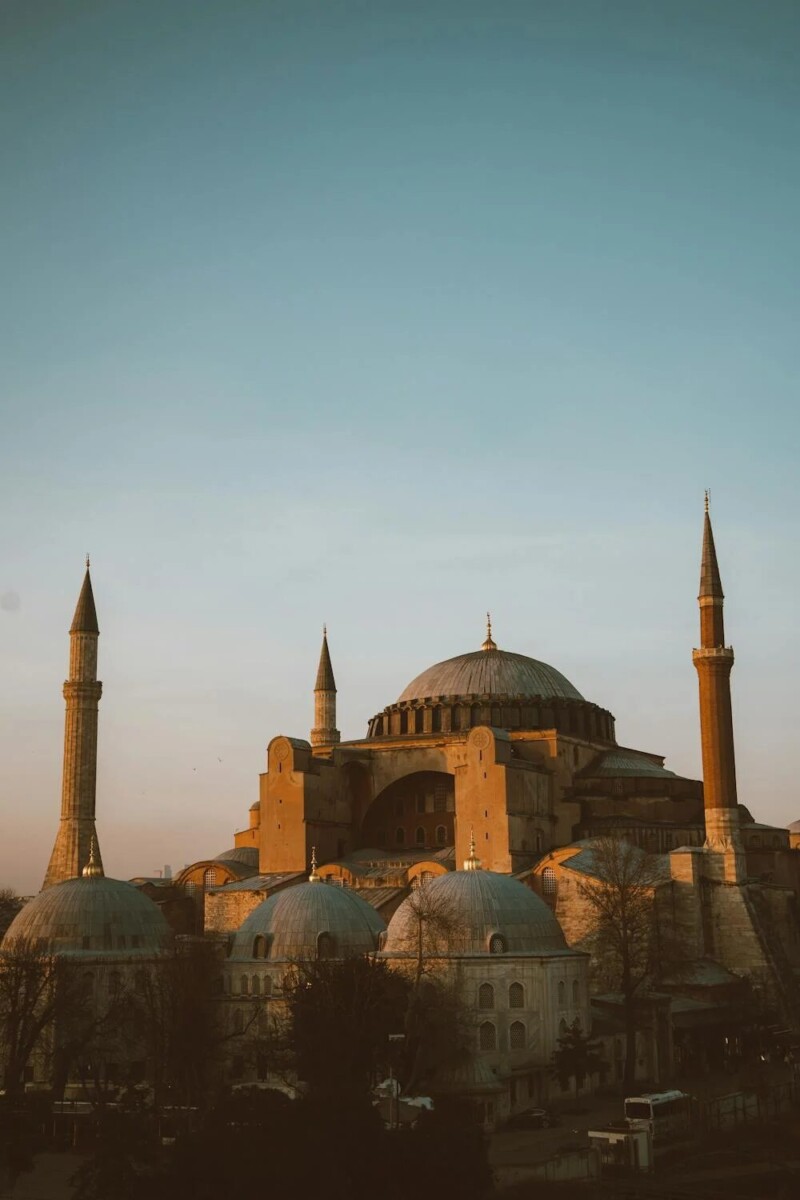
Visiting a Mosque
Source: Pexels
If you are a female visiting a mosque, prepare for the following: Remove your shoes, wear a scarf to cover your head, and enter a separate door from the men and boys. Make sure you have your headscarf, or one will be provided for you.
In some mosques, you must also wear an abaya or long traditional robe over your clothing, again, one will be provided for you if necessary, or abayas are readily available for purchase at shops and stalls.
Ramadan and Eid al-Fitr — An Experience of a Lifetime
If you have a chance to travel to a Muslim country during Ramadan or Eid; it’s an experience of a lifetime. Although the daytime is slow and quiet, and some restaurants may be closed, once the sun goes down, the delicious food comes out, and the locals come alive.
Non-Muslims should bring a few snacks ahead of time, as finding food during the day can be difficult. However, eat your snacks and drink your liquids discreetly, it’s a matter of respect to those who are fasting and cannot eat or drink until the sun goes down.
Female Solo Travelers
Western solo females in Muslim countries may get unwanted attention with stares and whistles. But it’s no different than the whistles we get walking down the street in Ghana or on the beach in Miami during spring break.
Visiting a Muslim country can be a life-changing experience, but respecting the local customs and traditions is essential.
By doing your research, dressing modestly, and being mindful of food and eating etiquette, you can have a successful and enjoyable trip.
Related to Tips for Visiting a Muslim Country:
Islam 101: Understanding the Beliefs, Culture, and Practices of the World’s Second Largest Religion