Diwali, the Hindu festival of lights, is a joyous celebration not typically observed by Muslims in a religious context.
However, Muslims in India, with a long history of co-existence with Hindus, may participate in some cultural aspects of Diwali, reflecting the rich tapestry of the region.
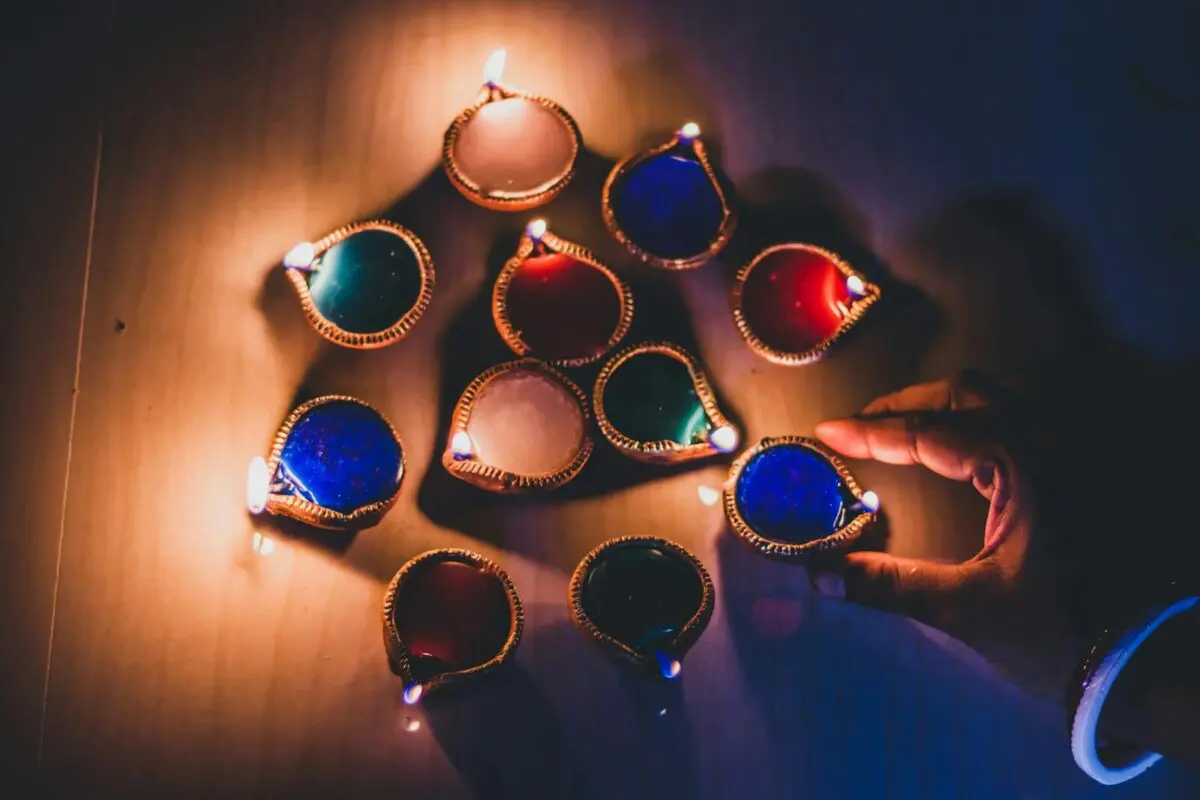
What is the Significance of Diwali?
Source: Pexels
Diwali, also known as Deepavali, is a prominent festival in Hinduism that signifies the triumph of light over darkness, good over evil, and knowledge over ignorance.
Celebrated across the globe by Hindus, Jains, Sikhs, and some Buddhists, Diwali is a vibrant display of lights, fireworks, traditional foods, and festivities.
The festival holds immense cultural and religious significance for Hindus, and its popularity has spread to other regions, making it a widely recognized celebration.
The relationship between Muslims and Hindus in India has been complex and multifaceted, with periods of harmony and discord throughout history.
Despite their differences, Muslims and Hindus have coexisted and influenced each other’s cultures, traditions, and practices. This cultural exchange has led to a blending of customs, resulting in Muslims participating in certain aspects of Diwali celebrations.
The Quran’s Guidance on Interfaith Relations
Islam emphasizes respect for the beliefs and practices of Ahl al-Kitab (People of the Book), which, according to some scholars, includes Hindus. The Quran states, „Say, ‚O People of the Scripture (Jews and Christians), come to a word common between us and you: that we worship none but Allah (God) and that we associate nothing with Him, and that none of us shall take others as lords (besides Allah).'“ (Quran 3:64) This verse encourages cooperation and mutual respect between Muslims and followers of other religions.
Furthermore, the Quran advises Muslims to „cooperate in al-Birr and at-Taqwa (virtue, righteousness, and piety); but do not help one another in sin and transgression. And fear Allah. Verily, Allah is Severe in punishment“ (Quran 5:2).
This guidance promotes a sense of community and shared values among people of different faiths, while also emphasizing the importance of adhering to one’s religious principles.
The Prophet’s Teachings on Imitation and Coexistence
The Prophet Muhammad (peace be upon him) is reported to have said, „Whoever imitates a people is one of them“ (Abu Dawud). This Hadith highlights the significance of maintaining one’s religious identity and avoiding blind imitation of other faiths.
However, it does not preclude Muslims from engaging in positive interactions with people of other religions or respecting their beliefs and customs.
The Prophet also emphasized the importance of treating non-Muslims with kindness and compassion. He said, „Whoever harms a dhimmi (protected non-Muslim citizen) will not smell the fragrance of Paradise“ (Sunan Ibn Majah 3043).
This teaching promotes a sense of responsibility and morality among Muslims in their interactions with non-Muslims.
Historical Instances of Muslim Participation in Diwali
In India, there are instances of Muslims participating in Diwali celebrations, often as a way of building positive community relations and demonstrating respect for their Hindu neighbours.
Historically, some Mughal emperors occasionally participated in Diwali celebrations, reflecting the complexities of interfaith interaction in different social and political contexts.
However, these examples are not universal prescriptions for contemporary Muslim practice, but rather historical instances that highlight the nuances of interfaith coexistence.
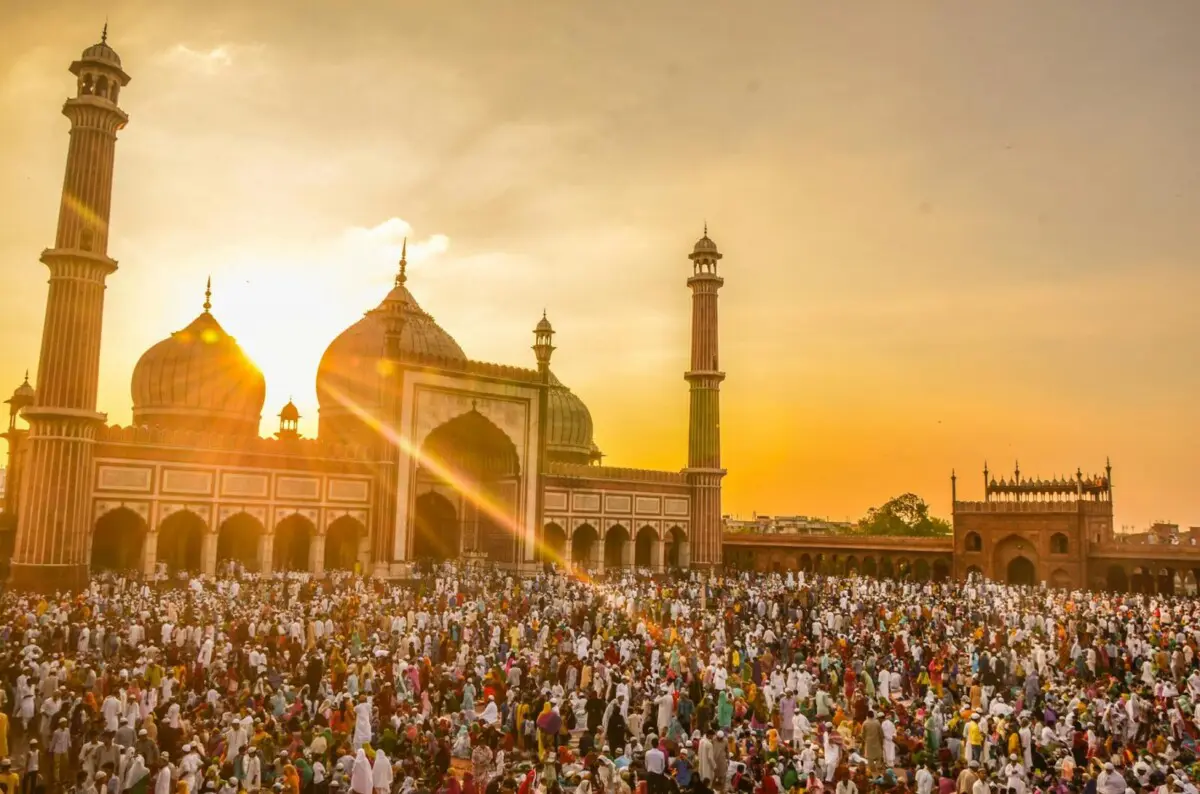
What do Muslims believe?
Source: Pexels
While Muslims do not hold the same theological significance for Diwali as Hindus do, some Muslims engage in aspects of the festival, avoiding anything that contradicts Islam.
Most scholars, however, forbid the practice of participation in such festivals, resulting in most Muslims distancing themselves from such celebrations.
This nuanced relationship between Muslims and Diwali is influenced by factors such as religious beliefs, cultural practices, and social contexts.
The Complexity of Interfaith Relations in India
The relationship between Muslims and Hindus in India is multifaceted, with periods of harmony and discord throughout history. This complex dynamic has led to the development of unique cultural practices and traditions, often blurring the lines between religious and cultural identities.
In this context, Muslim participation in Diwali celebrations can be seen as a reflection of the region’s rich cultural heritage and the ability of people from different faiths to coexist and engage in positive interactions. However, it is essential to recognize that this participation does not imply a theological endorsement of Diwali or an abandonment of Islamic principles.
Respecting Boundaries and Preserving Identity
Islam teaches respect and understanding towards people of other faiths; however, Muslims do not celebrate the religious aspects of Diwali, nor are they permitted to engage in its cultural elements as a way of building positive community relations and demonstrating respect.
This nuanced approach acknowledges the importance of maintaining one’s religious identity while also engaging in positive interactions with people of other faiths.
The question of Muslim participation in Diwali is a complex and multifaceted one, influenced by factors such as religious beliefs, cultural practices, and social contexts. While Muslims do not celebrate Diwali in a religious context, they may participate in certain cultural aspects of the festival, reflecting the rich tapestry of interfaith relations in India.
Ultimately, it is essential to recognize and respect the boundaries between religious and cultural identities, ensuring that positive interactions between people of different faiths are grounded in mutual respect and understanding.
Related to Celebrating Diwali:
Essential Tips for Visiting a Muslim Country: Culture, Customs, and Etiquette
Islam 101: Understanding the Beliefs, Culture, and Practices of the World’s Second Largest Religion