Islam is the second-largest religion on Earth, with about 1.8 billion followers, making up 24% of the global population.
Muslims are the majority in 49 countries, with Indonesia having the largest Muslim population.
Let’s dive in and uncover the beauty of this rich and vibrant religion!
Understanding Islamic Culture
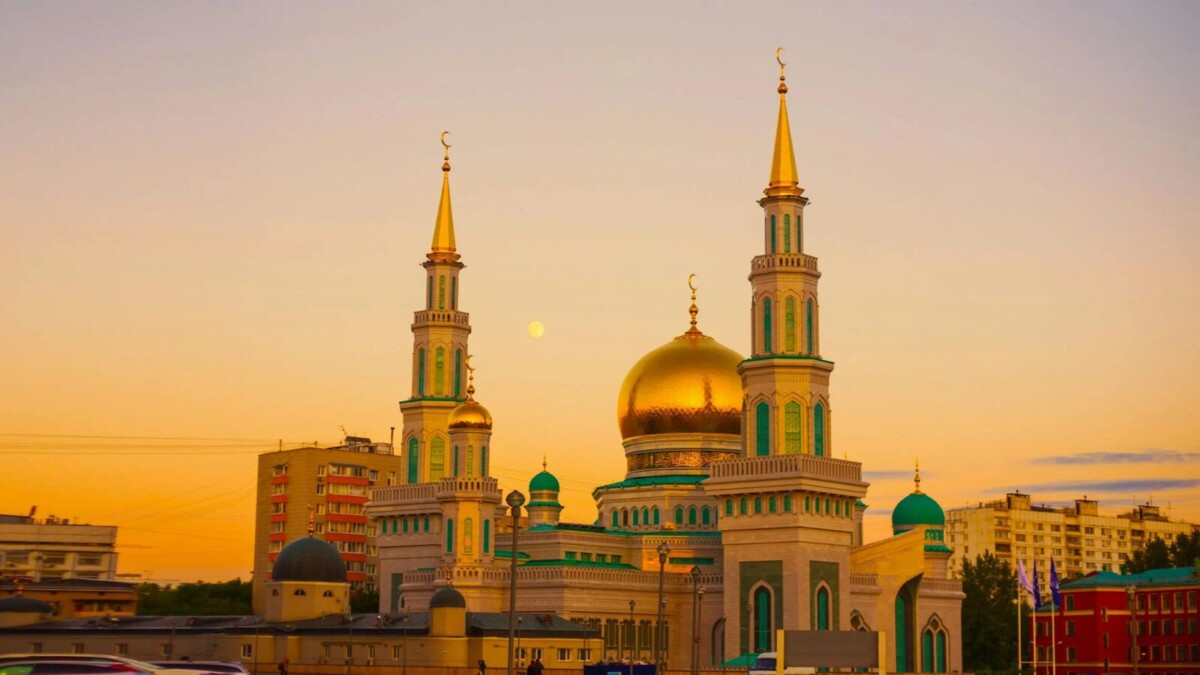
Source: Pexels
Did you know? Islam was founded in modern-day Saudi Arabia, but only 20% of Muslims are Arabs. And even though about 30% of Muslims live in India, Pakistan, and Bangladesh, the religion has a significant presence worldwide.
Islam means «submission to God,» and a Muslim is someone who submits to God. The root meaning of the word Islam means «peace, safety, and security.»
The Story of Muhammad
Islam originated in 7th century Arabia with Prophet Muhammad, who received revelations from God through the angel Gabriel.
Muhammad’s words were radical for his time, as he preached equality among all people, regardless of race or social status. He also demanded an end to the practice of killing infant girls because boys were preferred.
Belief in One God
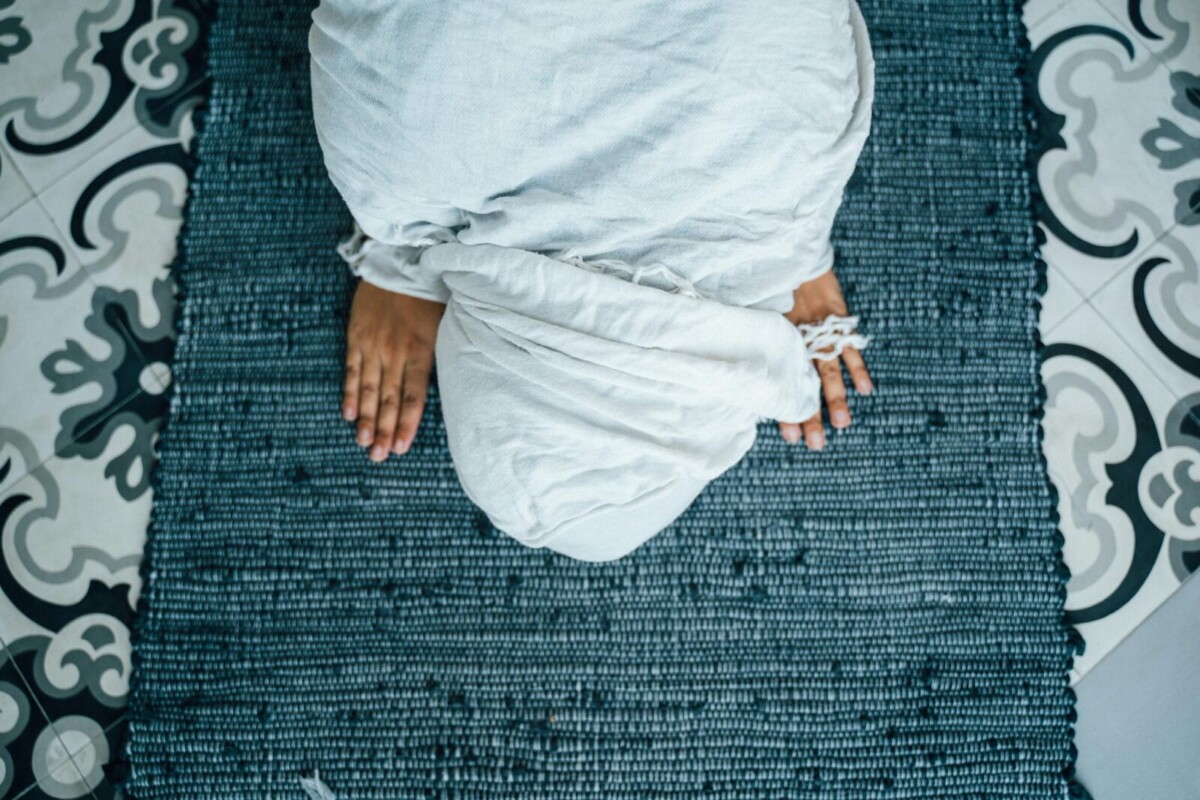
Source: Pexels
Muslims, Christians, and Jews worship the same God, referred to as Allah in Arabic.
Muslims believe in the uncreated, all-knowing, all-powerful, merciful, loving, and genderless creator of the universe.
Islam accepts that there is only one God, and believing in other gods or worshipping anything else is considered a great sin.
The Quran
The Quran is the Holy Book of Islam, the word of God spoken through Prophet Muhammad.
It is about 600 pages long, divided into 114 chapters, each with numbered verses. The Quran has no narrative structure; its topics and narrative jump around a lot. Many Muslims memorize the whole Quran.
The Five Pillars of Islam as Core Beliefs For Muslims
The Five Pillars are the core beliefs of Islam, acting as a blueprint for how Muslims behave. They are:
- The Shahada: The statement «There is no God but God, and Muhammad is the messenger of God.»
- Salat: Prayer, performed five times a day.
- Zakat: Charitable tax on wealth, paid annually.
- Sawm: Fasting, observed during the holy month of Ramadan.
- Hajj: Pilgrimage to the Kaaba in Mecca, performed at least once in a lifetime.
Women in Islam: Women are Equal to Men
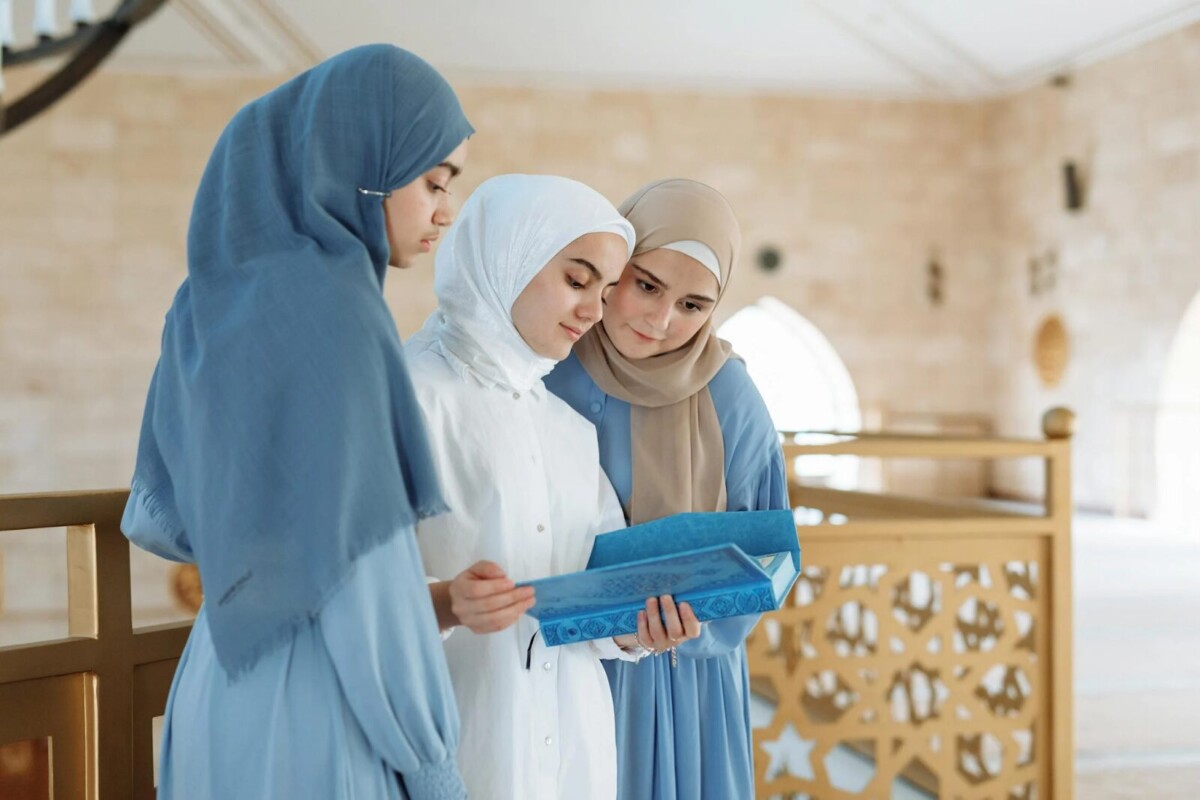
Source: Pexels
Islam and women’s rights are often topical issues.
In Islam, women are equal to men, and the Quran guarantees women’s right to work, divorce, and own property. The veil is a cultural symbol of modesty, and not all Muslim women wear it.
What Does Halal Signify in Islam?
Halal is the Arabic word for «permissible.» If something is Halal, Muslims can do it without worrying it’s a sin.
Most foods are Halal, except pork, donkey, predators, birds with talons, and blood. Alcohol is not Halal because of its negative effects on health and society.
Sharia Law: Path to a Water Hole
Sharia Law is often misunderstood. It is not just a set of laws but a way of living to please God. Sharia refers to the «path to a water hole,» which symbolizes life. It mostly covers personal matters and contracts between people, such as how to pray or fast, treat neighbours, and marry or divorce.
Learning about Islamic culture can be a fascinating journey. By understanding the core beliefs and practices of Islam, we can break down barriers and promote tolerance.
Related to Islam Practices:
Discover the Other ‘India’ Hidden Across the Globe
All You Need To Know About Indian Cuisine: Origins, Influences, And Health Benefits