India’s diverse and vibrant food culture is a reflection of its rich history and geography, with a blend of various culinary traditions that have evolved over time.
Why Are Some Indians Vegetarian and Others Not?
Source: Pexels
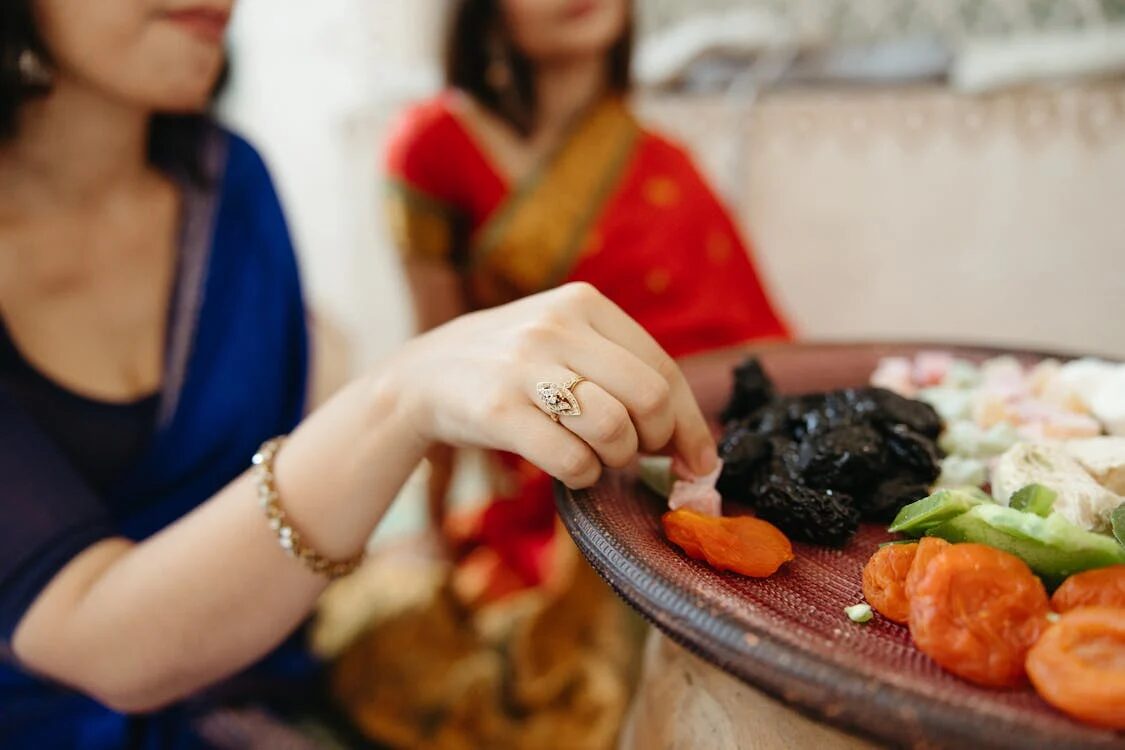
In India, vegetarianism is not just a dietary preference, but a way of life.
So you may be wondering, why are some Indians vegetarian and why some aren’t.
Many Indians are vegetarians due to religious beliefs, particularly Hinduism and Jainism, which emphasize ahimsa or non-violence towards all living beings.
This philosophy is deeply rooted in Indian culture, where cows are considered sacred and beef is largely avoided. As a result, a significant portion of Indian cuisine is vegetarian, with a wide variety of plant-based dishes that are both nutritious and flavorful.
India has the highest number of vegetarians in the world, with around 30% of the population following a vegetarian diet. This is reflected in the country’s cuisine, where vegetarian dishes like dal, sabzi, and paneer tikka masala are staples.
Even in non-vegetarian households, meat is often served in moderation, with a focus on vegetable-based dishes.
Indians’ Favourite Foods: A Regional Perspective
Indian cuisine is incredibly diverse, with different regions having their unique culinary traditions.
For instance, the spicy and tangy flavours of Hyderabadi biryani are a staple in Telangana, while the creamy and sweet flavours of Bengali mishti are a favourite in West Bengal.
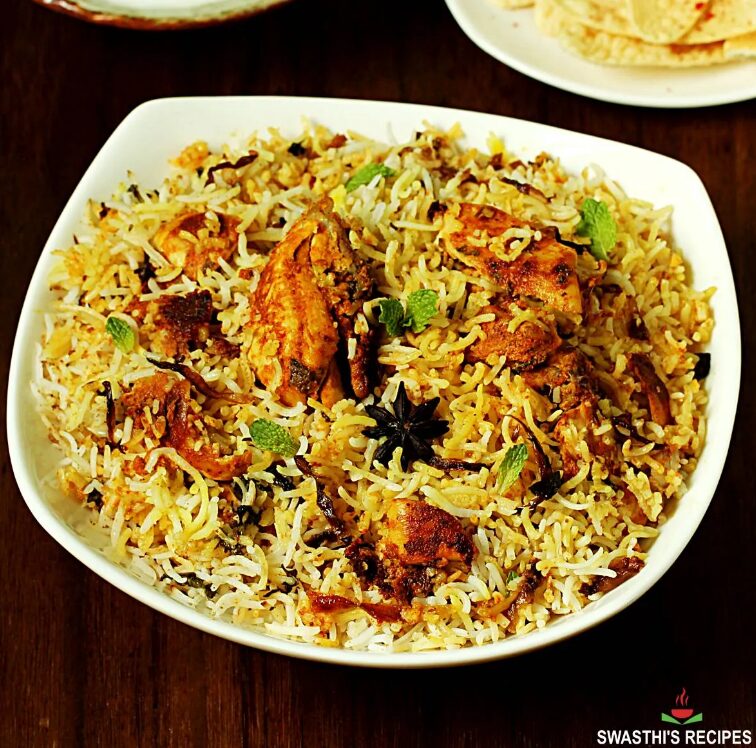
Source: Swasthi’s Recipes on how to make Hyderabadi Biryani
In the northern states of Punjab and Haryana, the rich and buttery flavours of sarson ka saag and makki di roti are a staple during the winter months.
In southern India, the dosa, idli, and vada are popular breakfast items, while in eastern India, the jhol or spicy curry is a staple in Bengali cuisine. Each region has its own unique ingredients, cooking techniques, and flavour profiles, making Indian cuisine incredibly diverse and exciting.
Is Indian Cuisine Healthy? A Closer Look at Nutrition and Ingredients
Source: Pexels
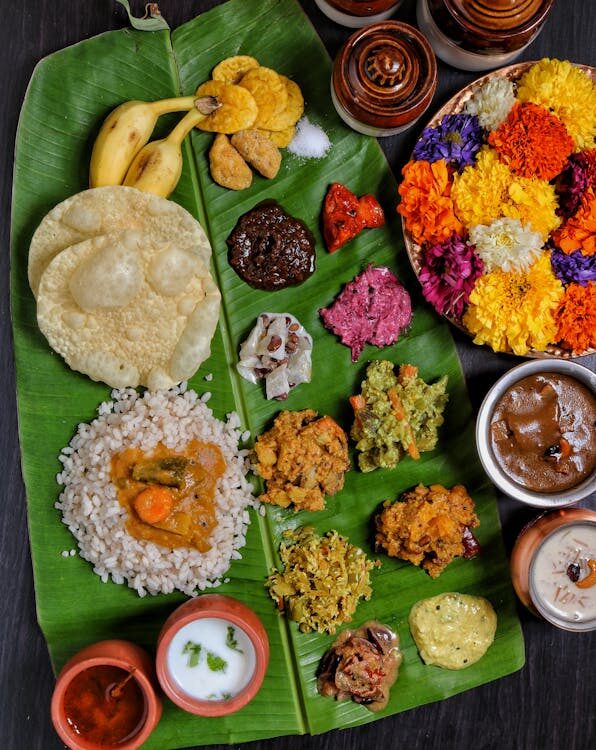
Here’s why many have considered Indian cuisine to be not only delicious but also incredibly healthy. With a focus on whole grains, legumes, and vegetables, Indian dishes are rich in fibre, protein, and various essential nutrients.
The use of spices like turmeric, ginger, and cumin have anti-inflammatory properties, while the emphasis on fermentation in dishes like yoghurt and pickles promotes gut health.
In addition, Indian cuisine is low in processed foods and added sugars, making it an ideal choice for those looking to adopt a healthier lifestyle.
The diversity of Indian cuisine also ensures that there are options available for those with specific dietary requirements, such as gluten-free or dairy-free diets.
What Shaped Indian Cuisine? Discover Its Diverse Culinary Influences
Indian cuisine has been influenced by various cultures and civilizations throughout history. The Indo-Aryan migration from Central Asia brought with it new ingredients and cooking techniques, while the Mughal Empire introduced rich and creamy flavours to Indian cuisine. The Portuguese introduced chillies, tomatoes, and potatoes, which are now staples in Indian cooking.
In addition, Indian cuisine has also been influenced by various regional cultures, such as the Tibetans, who introduced momos and thukpa to Indian cuisine.
The exchange of ideas and ingredients between different regions and cultures has contributed to the incredible diversity of Indian cuisine.
Tracing the Origins of Indian Cuisine: A Journey Through Flavor and History
Source: Pexels
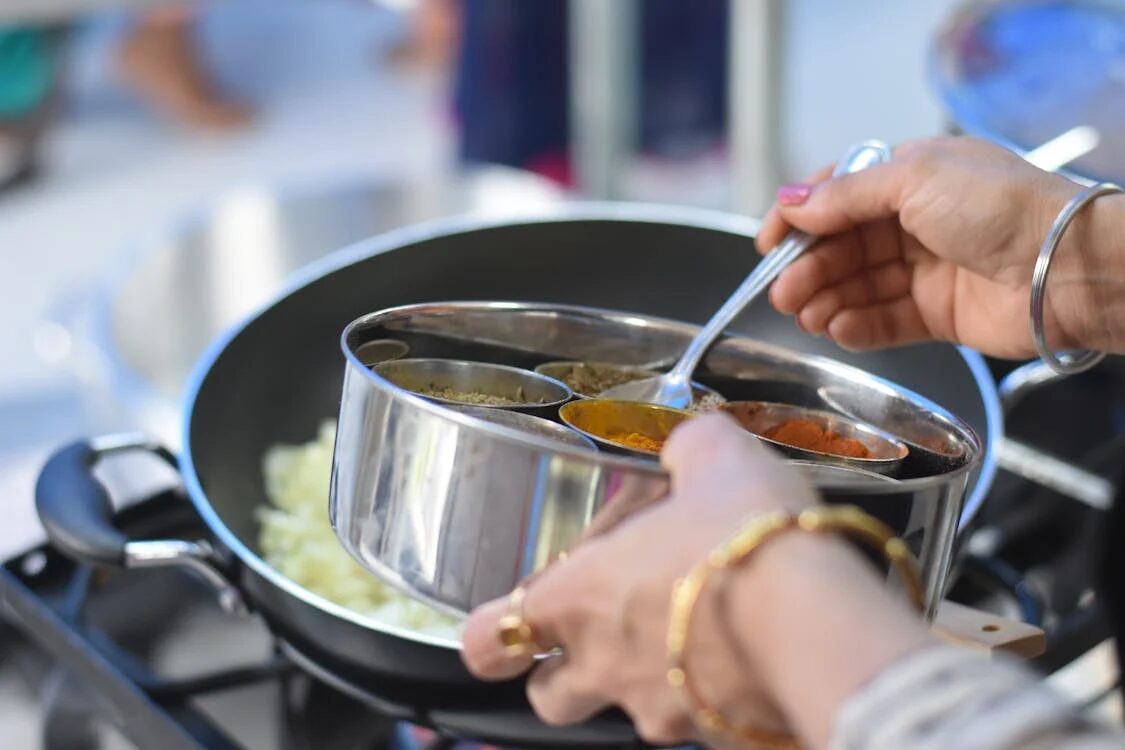
The origins of Indian cuisine can be traced back to the Indus Valley Civilization, where archaeological evidence suggests that people cultivated wheat, barley, and rice, and domesticated animals like sheep and goats. The use of spices like turmeric and ginger date back to the Vedic period, around 1500 BCE.
Over time, Indian cuisine evolved and was influenced by various cultures and civilizations, including the Mughal Empire, the British, and the Portuguese. The exchange of ideas and ingredients between different regions and cultures has contributed to the incredible diversity of Indian cuisine, making it one of the most vibrant and exciting in the world.
In conclusion, Indian cuisine is a reflection of the country’s rich history, geography, and cultural diversity. With its emphasis on whole grains, legumes, and vegetables, Indian cuisine is not only delicious but also incredibly healthy. Whether you’re a vegetarian or a non-vegetarian, there’s something for everyone in Indian cuisine, making it a culinary experience like no other.
Related to Indian Cuisine and Culture:
Singapore’s Ultimate Supper Spots for Late-Night Cravings
Best Indian Muslim Catering in Singapore for Events & Gatherings