Get ready for a fascinating journey around the world. We’ll explore some of the most intriguing cultural practices that might surprise you!
Loud Noodle Slurping in Japan — Why Do People Slurp Noodles in Japan?
Source: Pexels
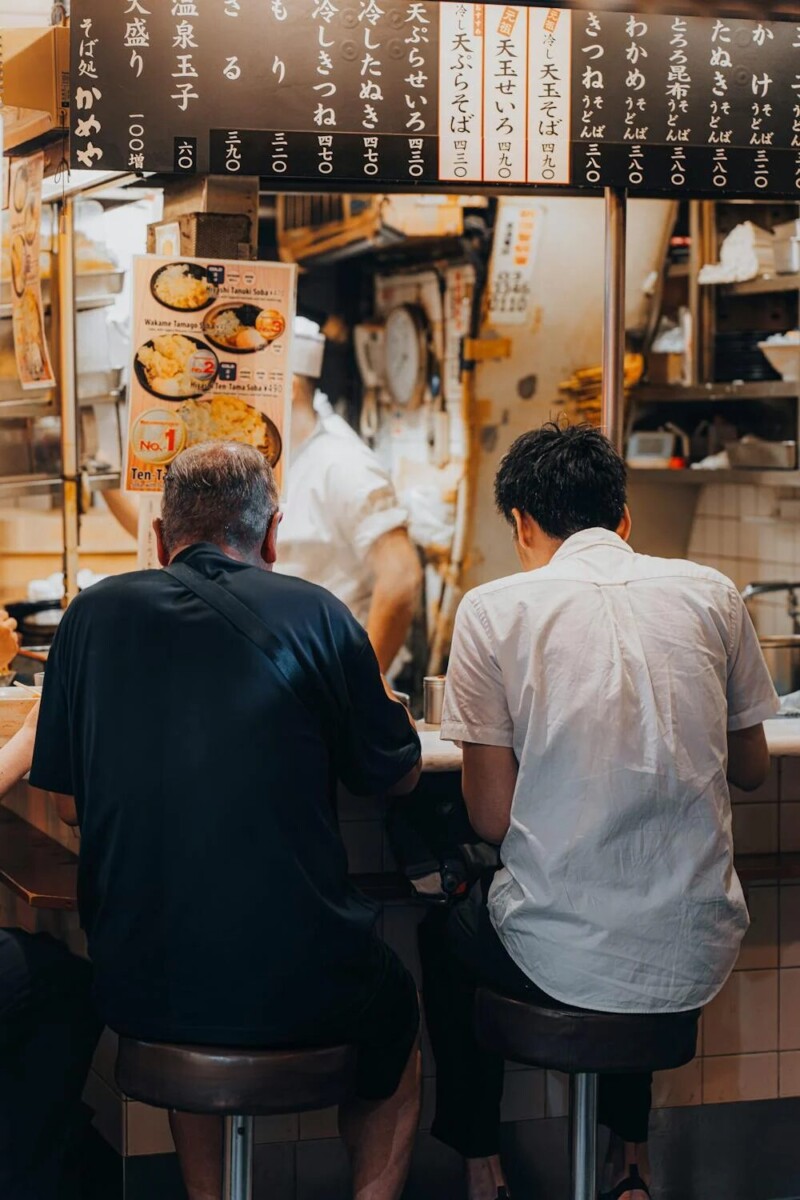
Is It really rude not to slurp your noodles in Japan? Well…
In Japan, it’s customary to slurp noodles loudly while eating them, which might seem quite contrary to Western etiquette. However, slurping is seen as a sign of appreciation for the food, and it’s believed to enhance the flavour and aroma of the dish. In fact, it’s considered rude not to slurp in some cases. So, the next time you’re enjoying a bowl of ramen, don’t be afraid to slurp away! 🍜
The Japanese take their noodles very seriously, and the art of slurping is an integral part of the culinary experience. It’s not just about the noise but the whole sensory experience of enjoying a delicious meal. Slurping is also a way to show respect for the chef and the food they’ve prepared.
The Tongue Greeting in Mongolia — Why Do Mongolians Greet Each Other by Sticking Out Their Tongues?
Next, we’re heading to Mongolia, where people traditionally greet each other by sticking out their tongues. This might seem strange at first, but the gesture is believed to ward off evil spirits and bring good luck. It’s also a way to show respect and trust, as the tongue is seen as a symbol of honesty and sincerity. So, if you ever find yourself in Mongolia, be sure to stick out your tongue and say hello! 🤝
The Mongolians have a rich cultural heritage, and their unique greeting practices are just one example of their fascinating traditions. From the steppes to the cities, Mongolia is a country that’s full of surprises, and its warm and welcoming people are always ready to share their customs with visitors.
Mexicans Celebrate the Lives of the Dead — What Is the Day of the Dead, and Why Is It Celebrated in Mexico?
Source: Pexels
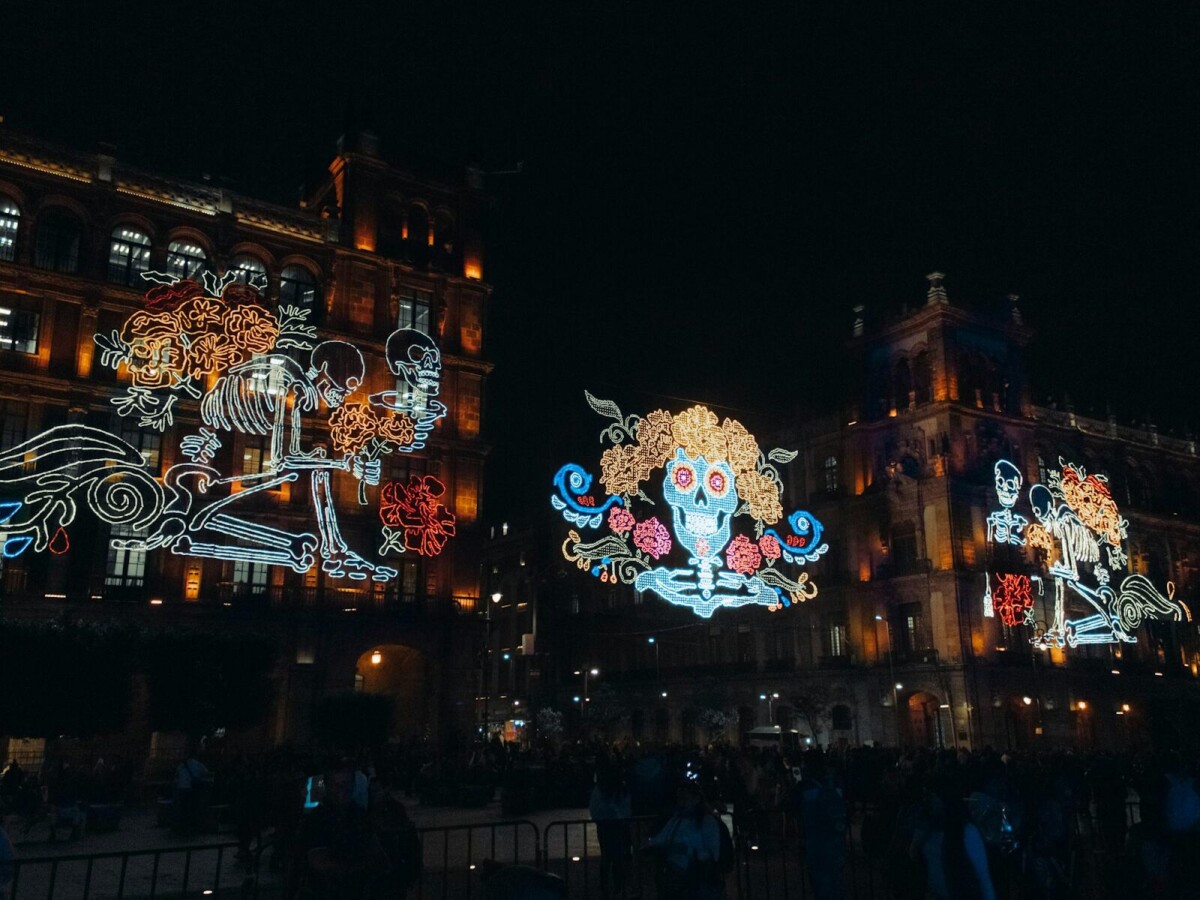
Our next stop is Mexico, where the Day of the Dead is a vibrant and colourful holiday that celebrates the lives of deceased loved ones. From October 31st to November 2nd, families create altars adorned with flowers, candles, and offerings of food and drink. It’s believed that during this time, the spirits of the dead return to the world of the living to be with their families once again. It’s a beautiful and joyful way to honour the memory of those who have passed on.
The Day of the Dead is a time for families to come together and share stories, memories, and laughter. It’s a celebration of life and death, and the Mexicans take it very seriously. With its stunning altars, delicious food, and lively music, the Day of the Dead is an experience you won’t want to miss.
The Head Touching Taboo in Thailand— Why Is It Considered Rude to Touch Someone’s Head in Thailand?
In Thailand, it’s considered impolite to touch someone’s head, as it is believed to be the most sacred part of the body. This is because the head is seen as the seat of the soul, and touching it is thought to be an invasion of personal space. Instead, it’s customary to place your hands together in a prayer-like gesture and bow slightly as a sign of respect. So, if you’re in Thailand, remember to keep your hands to yourself! 🙏
The Thais take their customs very seriously, and respect is an essential part of their culture. From the way they greet each other to the way they eat their food, every aspect of Thai culture is steeped in tradition and respect.
Sweden’s Christmas Eve Feast — How Do Swedes Celebrate Christmas Eve?

Source: Pexels
In Sweden, Christmas Eve is celebrated with a traditional feast of smoked salmon, meatballs, and mulled wine. It’s a time for families to come together and enjoy each other’s company, with candles and soft lighting creating a warm and cosy atmosphere. The Swedes also have a custom of hiding an almond in the rice pudding, with the lucky finder receiving a special prize. It’s a fun and festive way to celebrate the holiday season! 🎄
The Swedes love their Christmas celebrations, and they take pride in their traditional customs. From the food to the decorations, everything is done with love and care, making Christmas a truly special time in Sweden.
India’s Hand Gestures — Why Do People in India Use Hand Gestures for Communication?
In India, people commonly use hand gestures instead of words to communicate. Each gesture has a specific meaning and can convey everything from greetings to apologies to affirmations. It’s a highly expressive form of non-verbal communication that can be surprisingly effective, even across language barriers. So, if you’re travelling to India, it’s worth learning a few key hand gestures to help you get by! 🇮🇳
The Indians are known for their warm hospitality, and their hand gestures are just one way they express themselves. From the way they greet each other to the way they say goodbye, every gesture is filled with meaning and emotion.
Egypt’s Wedding Shower — Why Do Egyptians Shower Newlyweds with Seeds, Rice, and Flour?
In Egypt, the bride and groom are traditionally showered with seeds, rice, and flour after their wedding ceremony. This symbolizes fertility and abundance and is believed to bring good luck to the newlyweds. It’s also a way for friends and family to celebrate the couple’s union and express their joy and happiness. So, if you’re attending an Egyptian wedding, be prepared to join in the fun and shower the happy couple with blessings! 💕
The Egyptians take their weddings very seriously, and they spare no expense in making it a memorable day. From the stunning clothes to the delicious food, every aspect of an Egyptian wedding is a celebration of love and commitment.
South Africa’s Ubuntu Philosophy — What Is Ubuntu and Why Is It So Important in South African Culture?
In South Africa, the concept of Ubuntu is an important part of the culture. Ubuntu is a philosophy that emphasizes the interconnectedness and interdependence of all people. It’s about recognizing our shared humanity and working together to create a better world for everyone. Ubuntu is expressed through acts of kindness, generosity, and compassion, and is a powerful reminder of the importance of community and solidarity.
The South Africans are known for their warm hearts, and their Ubuntu philosophy is just one example of their commitment to humanity. From the way they care for each other to the way they welcome visitors, every aspect of South African culture is filled with kindness and generosity.
Brazil’s Carnival Celebration — What Is Carnival, and Why Is It So Important in Brazil?
In Brazil, Carnival is a massive celebration that takes place in the days leading up to Lent. It’s a time for music, dance, and colourful costumes, with parades and street parties filling the cities and towns with energy and excitement. Carnival is a way for Brazilians to let loose and enjoy life, and is one of the biggest and most festive events on the planet! 🎉
The Brazilians know how to party, and their Carnival celebrations are just one example of their love of life. From the stunning costumes to the infectious rhythms, every aspect of Carnival is a celebration of joy and freedom.
China’s Red Envelopes — How Do Chinese Families Celebrate the Lunar New Year?

Source: Pexels
Finally, we end our journey in China, where red envelopes filled with money are a traditional gift during the Lunar New Year. These envelopes, known as Hong Bao, are given to children and unmarried adults as a way to bring good luck and ward off evil spirits.
The amount of money inside the envelope is often an auspicious number, such as 88 or 168, which are associated with good fortune. It’s a fun and festive way to celebrate the new year and spread good wishes to loved ones! 🎊
The Chinese take their Lunar New Year celebrations very seriously, and their red envelopes are just one example of their rich cultural heritage. From the stunning decorations to the delicious food, every aspect of the Lunar New Year is a celebration of tradition and renewal.
And there you have it, folks! Ten fascinating facts about different cultures around the world, from the loud slurping of noodles in Japan to the head-touching taboo in Thailand. Each of these customs and traditions offers a glimpse into the rich tapestry of the human experience. We hope you’ve enjoyed this journey with us, and that it’s inspired you to learn more about the amazing diversity of our world. 😊
Related to Unique Global Traditions:
What is Forbidden for Muslims – ZAMAS River Valley Restaurant
Do Indian Muslims Celebrate Diwali? – ZAMAS River Valley Restaurant